Commercial Solar Solutions Across Northland
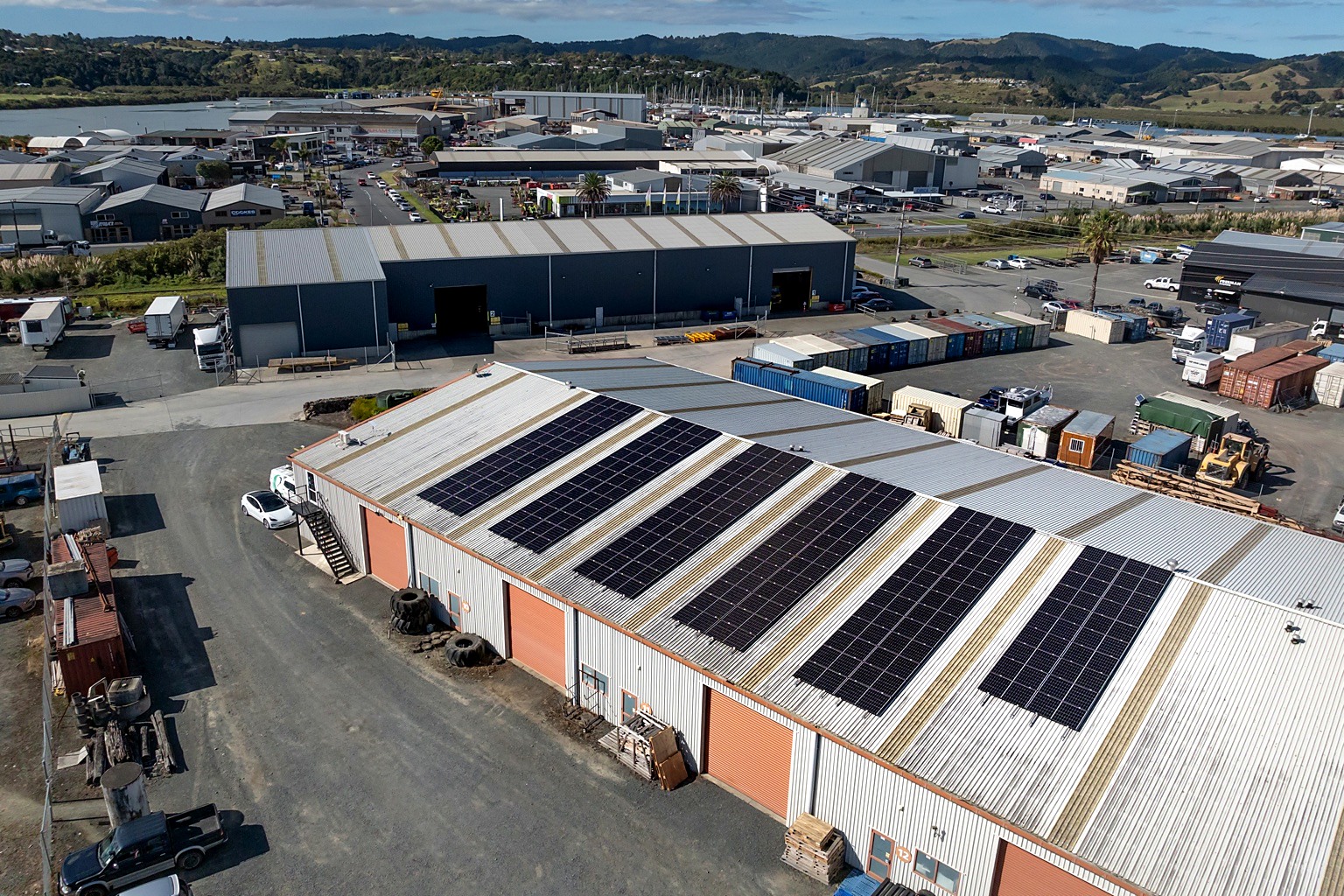
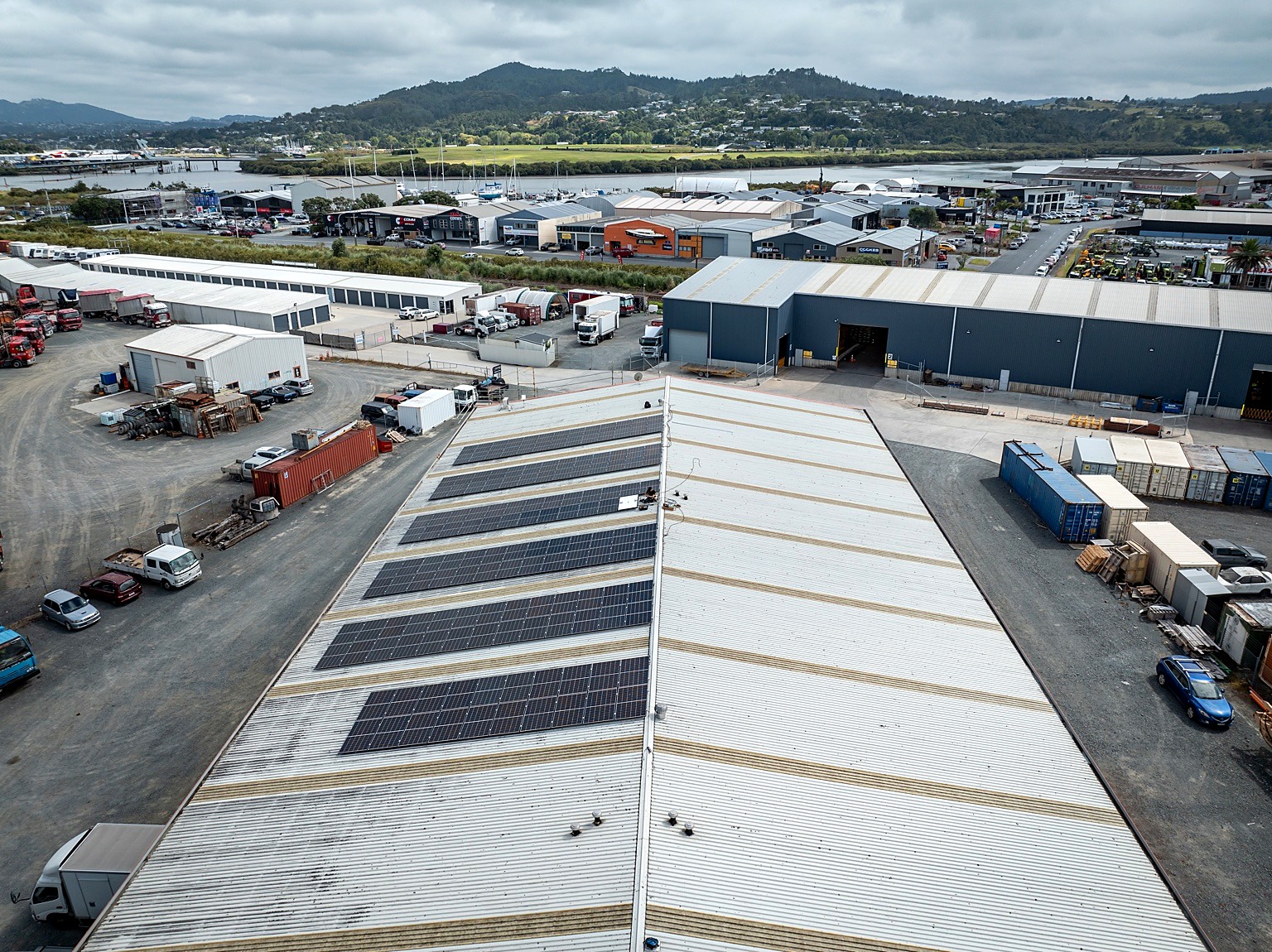
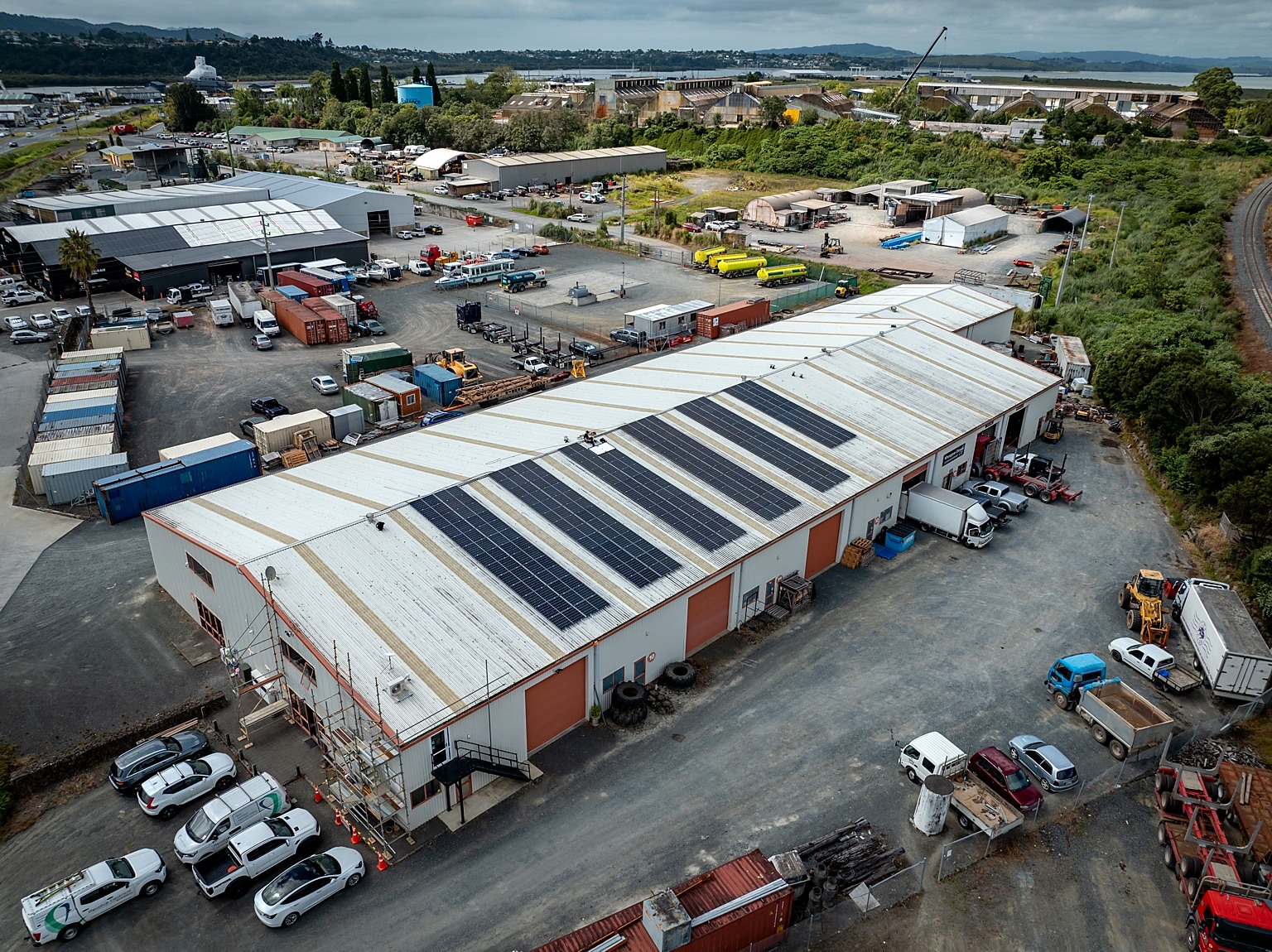
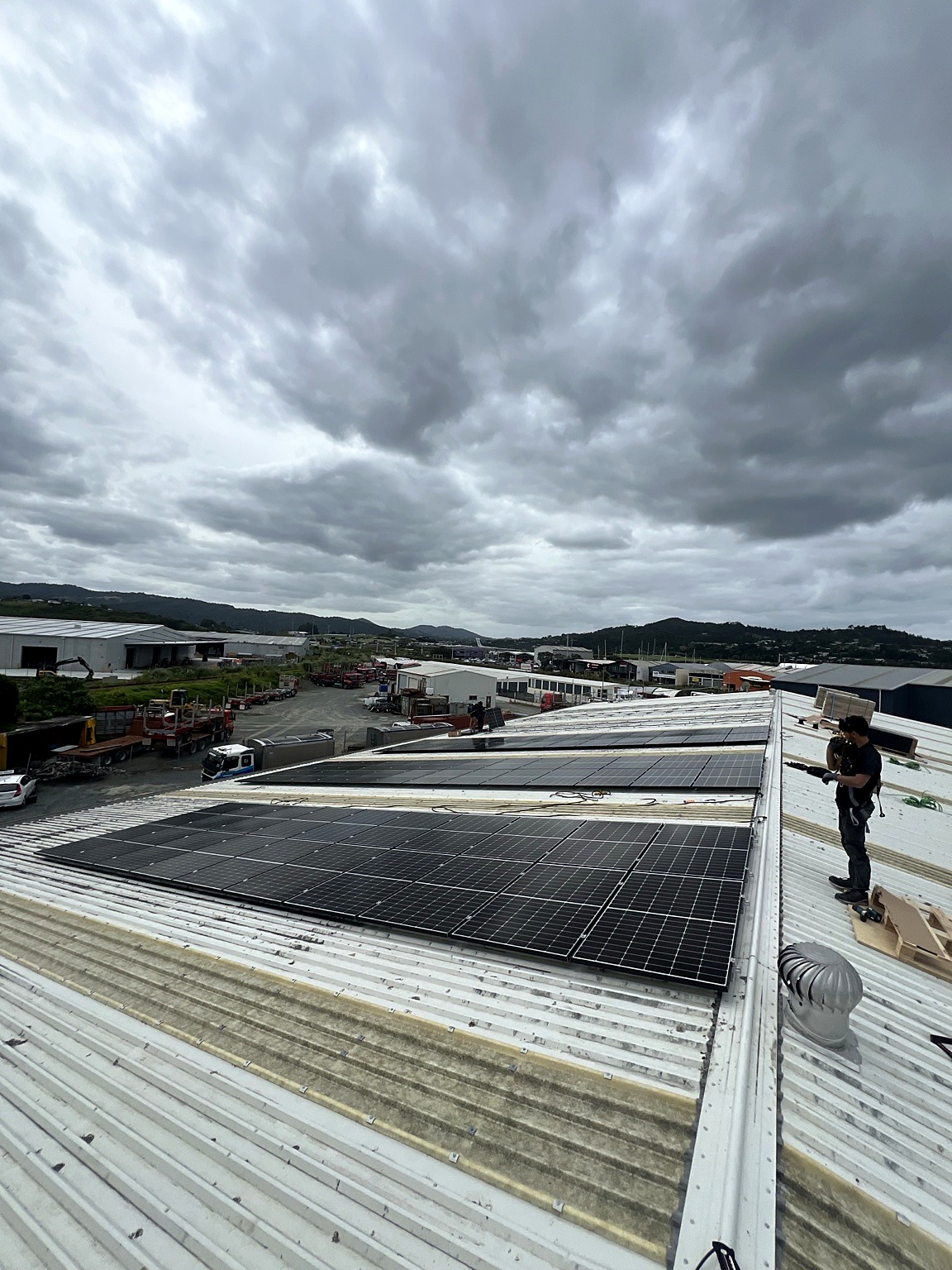
Solar systems for businesses, farms, workshops, schools and commercial properties, designed around daytime load, roof space, operating hours and future energy needs.
Reduce grid power costs with a system built around your business
Commercial solar works best when generation is matched to the way a site actually uses electricity. Revolve Electrical reviews interval or billing data where available, daytime load, operating hours, usable roof or ground space, switchboard and supply capacity, then designs around useful on-site consumption rather than simply filling the roof with panels.
How We Design Commercial Solar
Start with electricity consumption
Commercial solar design starts with how and when the site uses electricity. Daytime load, operating hours, seasonal changes and likely future demand all affect how much solar generation can be used on site.
Roof and site assessment
We assess usable roof or ground-mount space, orientation, shading, access, the electrical supply and switchboard, and any site constraints that affect the proposed system. Where specialist structural advice is required, that is identified as part of project planning.
System sizing and network requirements
The proposed system is sized around site load, installation area, electrical capacity and the applicable Northpower or Top Energy connection requirements. Export capacity is assessed for the actual connection, so we treat export assumptions as project-specific rather than guaranteed.
Batteries, EV fleet charging and future expansion
Where relevant, the design can consider battery storage, backup objectives, future EV charging and staged solar expansion. These options are assessed against the site’s actual energy use and business priorities.
Commercial Solar Proposal and ROI Modelling
A commercial proposal can set out system size, modelled annual generation, expected on-site use, export assumptions, equipment, installation scope and indicative financial modelling. We can compare solar-only and solar-plus-battery scenarios where useful. Actual savings and payback depend on electricity use, tariffs, operating patterns, system performance and future energy prices, so financial returns are not guaranteed.
Tax, depreciation and accounting treatment depend on the customer’s circumstances. Businesses should obtain advice from their accountant or tax adviser rather than relying on a solar proposal as tax advice.
Monitoring, Maintenance and After-Sales Support
Monitoring can help track generation and identify unusual performance. The ongoing maintenance approach depends on the equipment, site environment and manufacturer guidance. Revolve can explain the monitoring and support arrangements included with the proposed system.
Discuss your site and request a Commercial Solar assessment.
For system architecture, compare our Enphase microinverter approach and Sigenergy hybrid solar-and-battery approach. The selected platform depends on the site, electricity use, storage requirements and project goals.